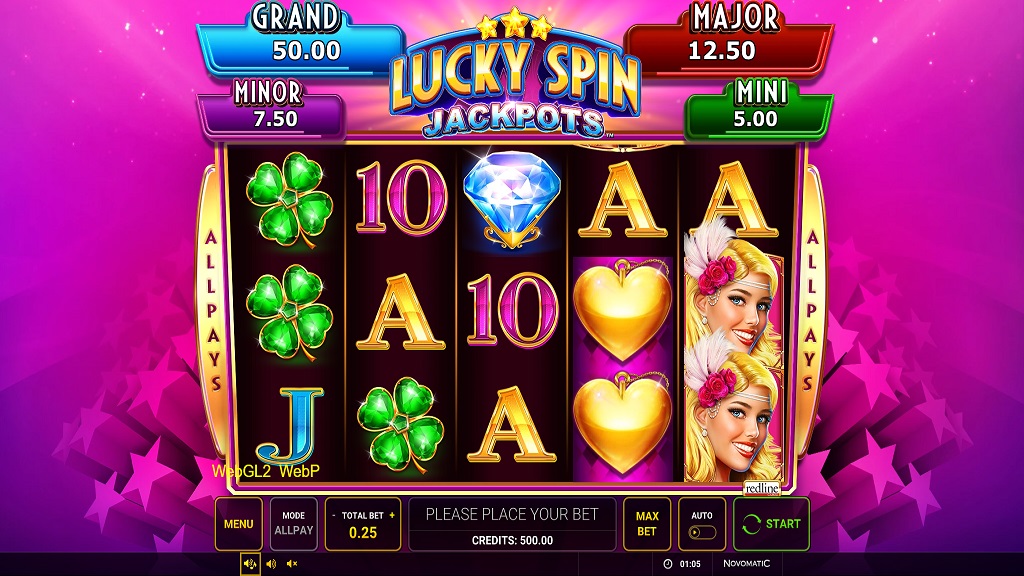
My primary concern before I try any online slot is clear: is this game fair? Dazzling graphics and big jackpots are entertaining, but they count for nothing without a basis of trust. For anyone in the United Kingdom playing games like Jackpot Fishing Slot, grasping the rules and tech that maintain integrity isn’t just industry talk. It’s what lets you relax and actually appreciate the game. This article walks you through fair play and Random Number Generator (RNG) verification, focusing on the UK’s well-known strict rules. We’ll examine what these ideas mean on a practical level, how they’re applied, and what you can check yourself to make sure you’re playing a game that upholds both the regulations and your money. I want to eliminate the mystery around the technology so you can hit the reels knowing every catch and every miss is down to pure, verified luck.
The Core of Reliability: Comprehending RNG (Random Number Generator)
The Random Number Generator system, or RNG, is the core of any genuine online slot, Jackpot Fishing Slot inclusive. Picture it as a digital heartbeat, throbbing thousands of times every second. Its sole purpose is to produce a never-ending flow of random numbers. Each number connects to a symbol on the reels. The second you hit ‘spin’, the RNG seizes a set of numbers at that exact instant. That set determines your result. This happens in a flash and has no connection to the spin before it or the spin after. It’s crucial to grasp that a certified RNG renders every spin a fresh event. The game lacks memory. It’s unaware if you’re on a winning streak, how much you bet, or how long you’ve been playing. That total randomness is what makes it a genuine game of chance. It’s the distinction between a proper slot and rigged software. For players in the UK, this isn’t just a nice idea. It’s the law. The regulatory body demands that RNG systems undergo brutal, independent testing to prove they are truly random before they ever go live.
How RNG Certification Works for UK Games
Obtaining an RNG certified for the UK market is a gruelling process. It’s a deep audit, not a brief glance, performed by independent testing labs. These firms, like eCOGRA, iTech Labs, or GLI, are themselves authorised by the UK Gambling Commission. They don’t believe promises; they examine the source code. The test entails running the RNG through billions of simulated spins. They examine the spread of outcomes, searching for statistical oddities. The goal is to establish that the frequency of wins and the game’s advertised Return to Player (RTP) percentage align over the long run. For a game like Jackpot Fishing Slot to be legal here, a certificate from one of these approved labs is required. That certificate is a legal guarantee of the software’s fairness. As a player, you have the right to know a game is certified. Good operators will generally give you access to these reports or at least show the testing lab’s badge on their site, often in the footer or on the game info page.
From Number to Reel: The Game Client’s Role
After the RNG produces its random numbers, the game client software takes over. This software’s role is to turn those numbers into the show you see on screen—the spinning reels of fish, treasure chests, and wild symbols in Jackpot Fishing Slot. A pre-set ‘paytable’ and mathematical model manage this translation. They determine which number ranges match which symbols on each virtual reel. The certification process evaluates this mapping just as hard. It confirms that the game client interprets the RNG’s output correctly every single time. This assures the flashy animation you watch is a faithful picture of the random result already chosen. This step completes the loop. It ensures no funny business happens in the visual display. The whole chain, from number generation to symbol display, is secured and verified. It establishes a closed system you can audit, where luck is the only factor that matters.
The UK’s Regulatory System: A Global Top Standard
Choosing a UK-licensed operator offers you a level of player security that sets the global standard. The UK Gambling Commission (UKGC) follows a clear brief: exclude crime from gambling, ensure fairness and transparency, and shield children and vulnerable people. Their licensing rules are rigorous and mandatory. For a game like Jackpot Fishing Slot to be available here, every link in the chain must have a valid UKGC licence. That means the software provider and the casino site hosting it. This licence requires operators to abide by strict rules on fair play, clear terms and conditions, responsible gambling tools (like deposit limits and time-outs), and maintaining player money separate from company funds. The UKGC has real power. It issues heavy fines, suspends licences, and can seek criminal charges if rules are broken. This powerful framework means when you play a UKGC-licensed game, you’re engaging with an entity under constant watch. Misconduct leads to severe penalties, placing your safety and fair treatment first.
Player Protections and Complaint Mechanisms
The UK framework offers you, the player, real influence beyond just the tech checks. First, licensed operators must offer you clear info on game rules, RTP, and how random the outcomes are. If you ever have a dispute with an operator, maybe over a bonus or a game result, their licence mandates a formal complaints process. You should get a clear, timely reply. If you’re still not satisfied, you have a strong, cost-free option. You can submit your complaint to an independent Alternative Dispute Resolution (ADR) provider, like the Independent Betting Adjudication Service (IBAS). The operator must legally accept the ADR’s final decision. On top of that, the UKGC website provides loads of guidance and a direct way to report operators you think are acting unfairly or outside the law. This structured approach means you always have a path forward. It renders a UK licence the mark of a market where your consumer rights are actively protected.
Checking Fair Play as a Player: A Handy Guide
You don’t require a degree in computer science to pick where you play https://jackpotfishing.co.uk/. A little bit of homework can boost your confidence a lot. My first move is always to look for the UKGC licence. It should be straightforward to find at the bottom of the operator’s homepage, featuring a licence number. Click it. The link should lead you straight to the UKGC’s official public register. Next, look for details on game fairness. Trustworthy sites often have an “About Us”, “Fair Play”, or “Game Integrity” page. Here, you need to see mentions of their independent testing partners and links to certificates. For a particular game like Jackpot Fishing Slot, you can also search for the game provider’s logo. Established providers like Blueprint, Big Time Gaming, or Pragmatic Play make a point of show off their certifications. Finally, always check the game’s own info screen. You typically get there by clicking a small ‘i’ or settings icon inside the game window. A open game will list its theoretical RTP percentage here. Performing these simple checks lets you select a secure place to play.
Warning Signs and What to Avoid

Knowing what to avoid is as important as knowing what to look for. I get suspicious straight away if a site doesn’t clearly show a UKGC licence, or if it uses vague language about being “regulated” in places not known for tough oversight. Watch out for operators that claim “winning strategies” for slots or imply that games can be “hot” or “cold”. That talk goes directly against the fact that every spin is independent and random. It’s a typical sign of dodgy marketing. Another concern is a lack of clear info about game providers and testing. If you can’t easily find details on RNG certification or the game’s RTP, view it a major warning. In the UK, you should also have access to strong responsible gambling tools right after you register. If these tools are hidden, hard to use, or not mentioned, it suggests the operator isn’t fully committed to the UK’s player protection spirit. Trust your gut. If something feels wrong, it’s wiser to leave and select one of the many fully compliant, transparent operators out there.
The Importance of Return to Player (RTP) in Fairness
The RNG ensures randomness, but the RTP (RTP) percentage establishes the game’s mathematical blueprint over a very long duration. Shown as a percentage, the RTP shows the theoretical sum of money a slot returns to players over millions of rounds. A game with a 96% RTP would, in theory, return £96 for every £100 bet over the long run. Remember, this is a statistical norm. It is not a assurance for your one-hour play. In a fair slot, the certified RNG works with this fixed mathematical structure to deliver results that gradually meet this percentage over the long term. The UKGC forces operators to show this number. For Jackpot Fishing Slot or any other game, knowing the RTP enables you to make an informed decision about the game’s variance and its theoretical price. Generally, a higher RTP suggests a lower house margin. This transparency is a core part of fair gaming. It keeps you from going in uninformed about the game’s built-in mechanics.
Return to Player, Risk, and Your Gaming Experience
Don’t considering RTP on its alone. It’s closely connected to a game’s risk level, or volatility. A game with a high RTP but also high risk, like many progressive jackpot machines, might pay out bigger wins less regularly. You could experience longer periods without a significant victory. On the other hand, a medium or low variance game with a similar RTP might provide you smaller wins more regularly. The certified RNG ensures this volatility pattern is random and fair also. You cannot predict when a bonus round or a big payout will come. When I check out a game, I consider both the RTP and the implied volatility, which you can often infer from the game’s elements and prize chart. I see if it fits my preference and my bankroll strategy. A fair game provides you the information, like the RTP, and the truly random engine, the RNG, to let that mathematical framework run its true path. This makes every session different while still aligning with the long-term statistical pattern.
Final thoughts: Experiencing Jackpot Fishing Slot with Confidence
Online slots serve for fun. That fun improves significantly when you feel confident about fair play. For UK players playing Jackpot Fishing Slot, the structure of trust is robust. It rests on the solid foundation of UK Gambling Commission licensing. This demands independently certified RNGs, clear RTP disclosure, and strong player safeguards. Once you comprehend these pillars—the RNG’s role in creating unpredictable outcomes, the validation tasks of the testing labs, and the oversight power of the UKGC—you will recognize the advanced honesty behind the engaging graphics. I advise you to apply the useful guidelines covered here to select your platforms wisely. Doing this lets you immerse yourself in the experience, whether you are catching a small catch or chasing the grand jackpot, certain that the result is always fair.